Roof Inspection Checklist for Tampa Homeowners
A complete roof inspection checklist built for Tampa homeowners. Covers what to look for on the exterior, in the attic, and structurally, plus when to call a pro.
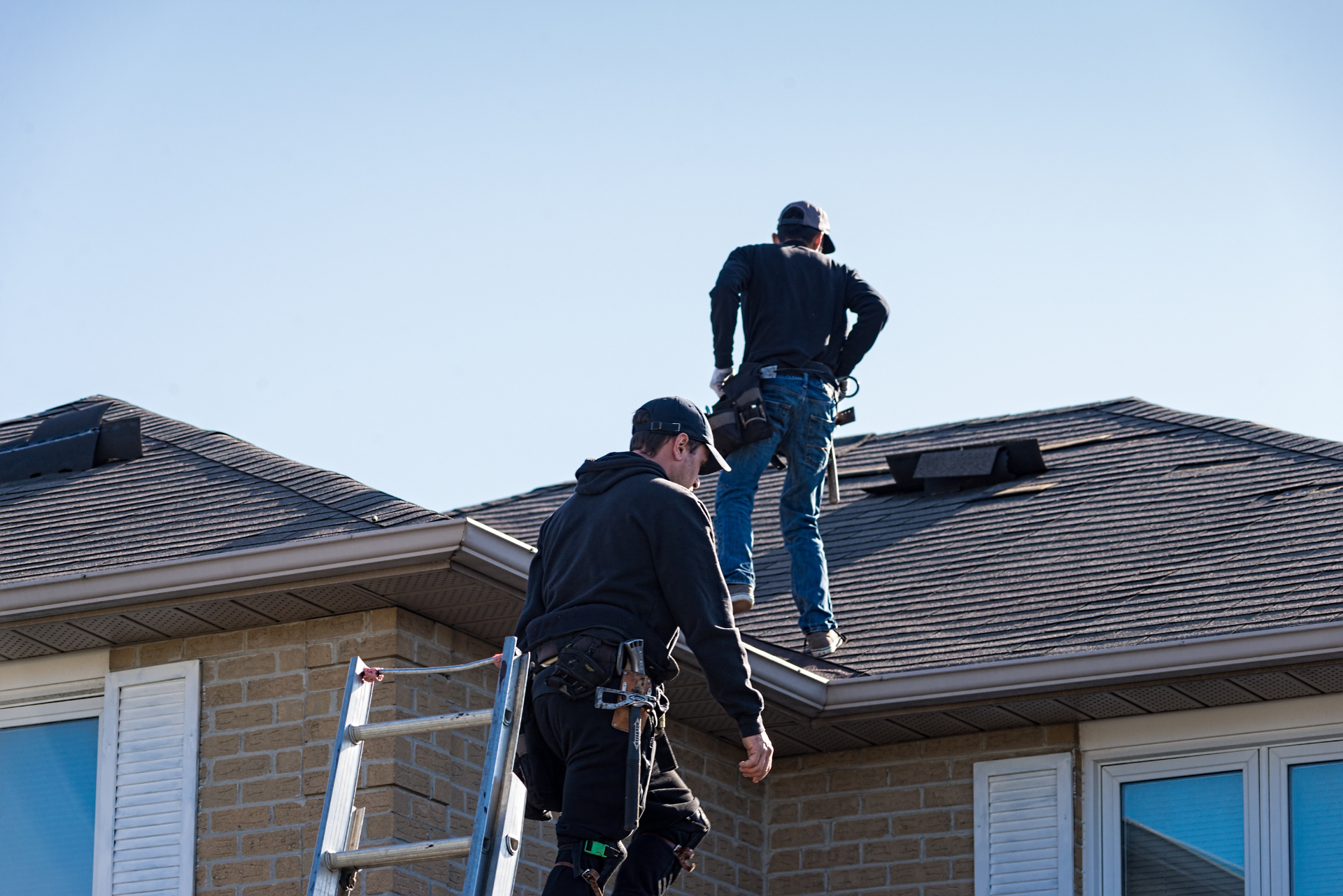
Your roof is the first line of defense against everything Tampa's climate throws at your home. Heat, humidity, afternoon storms, and the occasional hurricane all take a toll. The difference between a roof that lasts and one that fails early almost always comes down to one thing: regular inspections.
This checklist gives Tampa homeowners a clear, practical guide to what should be checked, when to check it, and when to bring in a professional.
When You Should Inspect Your Roof in Tampa
Not every inspection needs to be a full professional evaluation, but certain situations demand attention:
- Annually: Schedule a professional roof inspection at least once per year. The best time in Tampa is late spring, before hurricane season begins in June.
- After storms: Any storm with sustained winds above 50 mph, heavy hail, or significant lightning activity warrants a post-storm check. Even storms that seem minor can loosen flashing or lift shingle edges.
- Before buying or selling: A roof inspection is essential during real estate transactions. Buyers need to know what they are getting, and sellers benefit from addressing issues before they become negotiation leverage.
- After noticing interior signs: Water stains, musty odors, or peeling paint near the ceiling are signals that something on the roof has already failed.
Complete Roof Inspection Checklist
Exterior Inspection
The exterior of your roof is where most damage begins. Here is what to evaluate:
- Shingle condition: Look for cracked, curling, buckling, or missing shingles. Check for excessive granule loss, which appears as bare or discolored patches. Granules collecting in gutters is a sign of advanced wear.
- Flashing: Inspect flashing around chimneys, vents, skylights, and wall-to-roof transitions. Flashing should be flat, sealed, and free of rust or gaps. Failed flashing is one of the most common leak sources in Tampa.
- Gutters and downspouts: Gutters should be firmly attached, free of debris, and draining properly. Sagging or pulling gutters can indicate fascia damage. Granule buildup inside gutters signals shingle deterioration.
- Roof penetrations: Every pipe boot, vent cap, and mechanical unit on the roof is a potential leak point. Rubber boots crack in Florida's UV exposure and should be checked annually.
- Ridge caps and edges: Ridge caps should be intact and properly sealed. Drip edge along the eaves and rakes should be present and in good condition.
- Algae and moss: Dark streaks on shingles are usually algae growth, common in Tampa's humidity. While cosmetic at first, prolonged growth can degrade shingle surfaces.
Interior Inspection
Problems that start on the roof often show up inside the home first. Check these areas:
- Attic moisture: Look for damp insulation, water stains on rafters or sheathing, or any standing water. In Florida's humidity, even small leaks can create significant moisture problems quickly.
- Insulation condition: Insulation should be dry and evenly distributed. Compressed, wet, or displaced insulation reduces energy efficiency and indicates a moisture intrusion.
- Ventilation: Proper attic ventilation is critical in Tampa. Check that soffit vents are unblocked and ridge or gable vents are functioning. Poor ventilation traps heat and moisture, accelerating roof aging from the inside.
- Daylight penetration: If you can see daylight through the roof deck from inside the attic, there is an opening that water can also enter.
Structural Inspection
Structural issues are the most serious and typically require professional evaluation:
- Sagging: Any visible sag in the roofline, whether viewed from outside or from the attic, indicates a structural problem. This can result from prolonged water damage, inadequate framing, or failed decking.
- Decking condition: The roof deck (plywood or OSB sheathing) should be solid and dry. Soft spots, delamination, or visible rot require replacement before any roofing material can be installed. For more on materials and their durability, see our Roofing Materials Guide for Florida Homeowners.
- Truss and rafter integrity: Look for cracked, split, or bowed framing members. These are structural components that support the entire roof system.
Common Issues Found in Tampa Roof Inspections
Based on the inspections our team performs across Tampa Bay, these are the most frequently identified problems:
- Leaks at flashing points: Flashing around plumbing vents, exhaust fans, and chimney bases is the number one leak source. Florida's thermal cycling causes sealant to crack and metal to shift.
- Nail pops: Nails can back out of the deck over time due to wood expansion and contraction. Popped nails lift shingles and create direct water entry points.
- Cracked pipe boots: The rubber gaskets around plumbing vent pipes dry out and crack in Tampa's UV exposure. These are inexpensive to replace but cause significant leaks when ignored.
- Storm damage: Missing shingles, dented vents, and lifted ridge caps are common after Tampa's summer storms. Damage is not always visible from the ground.
- Poor previous repairs: Roofing cement applied over damaged areas, mismatched shingles, and improper flashing are signs of substandard past work that creates new problems.
DIY vs. Professional Inspection
What Homeowners Can Check
You do not need to climb on your roof to perform a basic assessment:
- Walk the perimeter and look for missing or damaged shingles from the ground
- Check gutters for granule buildup and proper drainage
- Look at the roofline from a distance for sagging or uneven areas
- Inspect the attic for moisture, daylight, and insulation condition
- Note any interior water stains or musty odors near the ceiling
What Requires a Professional
A licensed contractor should handle:
- Walking the roof to evaluate shingle adhesion and flashing condition up close
- Assessing structural integrity of the deck and framing
- Evaluating whether damage meets the threshold for an insurance claim
- Providing a documented report with photos for insurance or real estate purposes
- Identifying code compliance issues under the Florida Building Code
In Tampa, all roof evaluations for insurance or permitting purposes should be performed by a contractor holding an active Florida general, building, or roofing license.
What IBHS Says About Roof Inspections
The Insurance Institute for Business & Home Safety (IBHS) is one of the leading authorities on building performance and disaster resilience. IBHS research consistently shows that regular roof inspection and maintenance are among the most effective measures homeowners can take to reduce property damage from storms.
IBHS specifically recommends inspecting roofing components for proper attachment, checking that flashing and sealants are intact, and ensuring roof-to-wall connections meet current standards. Their research on sealed roof decks and proper fastening has directly influenced Florida Building Code requirements.
For Tampa homeowners, following IBHS guidelines is not just best practice. It aligns with the same standards that insurance companies use to evaluate your roof's condition and your eligibility for coverage.
Tampa-Specific Inspection Considerations
Tampa's climate and housing stock create unique inspection priorities:
- Humidity: Tampa's consistently high humidity means moisture-related issues develop faster here than in drier climates. Attic ventilation and moisture checks are especially critical.
- Storm frequency: Even outside of named hurricanes, Tampa experiences severe thunderstorms with high winds throughout the summer. Post-storm inspections should be routine, not reactive.
- Aging neighborhoods: Communities across Tampa Bay, including areas like Lutz, Carrollwood, and Brandon, have significant housing stock from the 1980s and 1990s. Many of these homes are on their second or third roof, and age-related issues are common.
- Insurance pressure: Florida insurers are increasingly requiring roof inspections before issuing or renewing policies. Having a current, documented inspection report from a licensed contractor strengthens your position with your carrier.
When to Call a Professional
Use this as your decision guide:
- Schedule an annual inspection before hurricane season each year (April or May is ideal)
- Call immediately if you notice water stains, a musty attic, or visible exterior damage
- Inspect after every significant storm, even if no damage is visible from the ground
- Before any real estate transaction, whether buying or selling
- When your roof reaches 15 years of age, increase inspections to twice per year
Catching problems early is always less expensive than reacting to failures.
Schedule Your Roof Inspection
Whether you are preparing for storm season, buying a home, or just staying ahead of maintenance, a professional inspection gives you the information you need to make smart decisions about your roof.
Schedule your free roof inspection with Weathershield Construction Services, or call us at (813) 780-4500. We provide detailed photo reports and honest recommendations, never pressure.
Frequently Asked Questions
Explore Our Services, Guides & Tampa Bay Locations
We provide roofing, impact windows, siding, and storm restoration throughout Tampa Bay. Explore our services, homeowner guides, and local service areas below.
Exterior Services
Licensed exterior solutions built for Florida's climate and building codes.
Homeowner Guides
In-depth resources on materials, costs, and insurance for Florida homeowners.
Tampa Bay Service Areas
Serving homeowners across Hillsborough and Pinellas counties.
More Articles for Tampa Homeowners
4-Point Inspection Repairs: What Homeowners Need to Fix
A failed 4-point inspection can stall your insurance, sale, or refinance. Here is what fails most often in Tampa and how to fix it quickly.
May 15, 2026
What Realtors Look for in a Roof Inspection in Tampa
Roof inspection reports drive Tampa real estate transactions. Here is what realtors look for, what kills deals, and how to prepare your roof before listing.
May 13, 2026
How Roof Condition Affects Home Value in Tampa
Roof condition is one of the first things Tampa buyers, inspectors, and insurers evaluate. Here is how it shapes your sale price and what to do before you list.
May 11, 2026