Your roof is your home's first and most important line of defense against Florida's hurricanes, heat, rain, and UV exposure. The material you choose directly affects storm protection, energy costs, insurance premiums, maintenance burden, and how long your roof lasts. This guide breaks down every major roofing material option for Tampa Bay homeowners with honest assessments based on our experience as licensed roofing contractors.
How This Applies to Tampa Bay Homeowners
Tampa Bay's specific combination of heat, humidity, salt air proximity, and storm exposure makes material selection more consequential here than in most Florida markets. Homes in Clearwater and St. Petersburg deal with salt air corrosion that can shorten the life of certain metal roofing finishes. Homes in Brandon and Riverview face the same UV and heat challenges without the coastal corrosion, opening up more material options.
Insurance is a driving factor in Tampa roofing material decisions. Hillsborough and Pinellas county homeowners are seeing annual premiums climb, and the right roofing material combined with a sealed deck and proper hurricane straps can reduce those costs by $1,000 to $3,000+ per year. A Tampa roof inspection will tell you exactly where your current roof stands on the wind mitigation scale.
HOA restrictions also play a major role in Tampa Bay. Many communities in Westchase, Carrollwood, and South Tampa restrict metal roofing profiles or colors. Always check your community guidelines before committing to a material.
What Makes Roofing Different in Florida
Florida roofing is a different discipline than roofing in most other states. The combination of hurricane-force winds, intense UV, heavy rainfall, and strict building codes creates requirements that don't exist elsewhere.
Wind Ratings and Building Code
Florida Building Code requires roofing materials to meet specific wind speed ratings based on your home's location. Tampa Bay's design wind speeds range from 130 to 150 mph depending on proximity to the coast, building height, and exposure category. Every roofing product installed must have a Florida Product Approval demonstrating it meets these requirements.
Hurricane Straps and Roof-to-Wall Connection
Your roofing material is only as strong as its connection to the structure. Hurricane straps (metal connectors tying the roof framing to the walls) are required by Florida Building Code and are a critical factor in wind mitigation inspections. When re-roofing, we inspect and upgrade these connections as needed.
Insurance Compliance
Your roof is the single biggest factor in your homeowner's insurance premium. Insurers evaluate roof age, material, wind rating, underlayment type, and attachment method. A properly installed new roof with a sealed deck and high wind-rated materials can reduce premiums by $1,000 to $3,000+ annually.
Underlayment: Your Roof's Hidden Hero
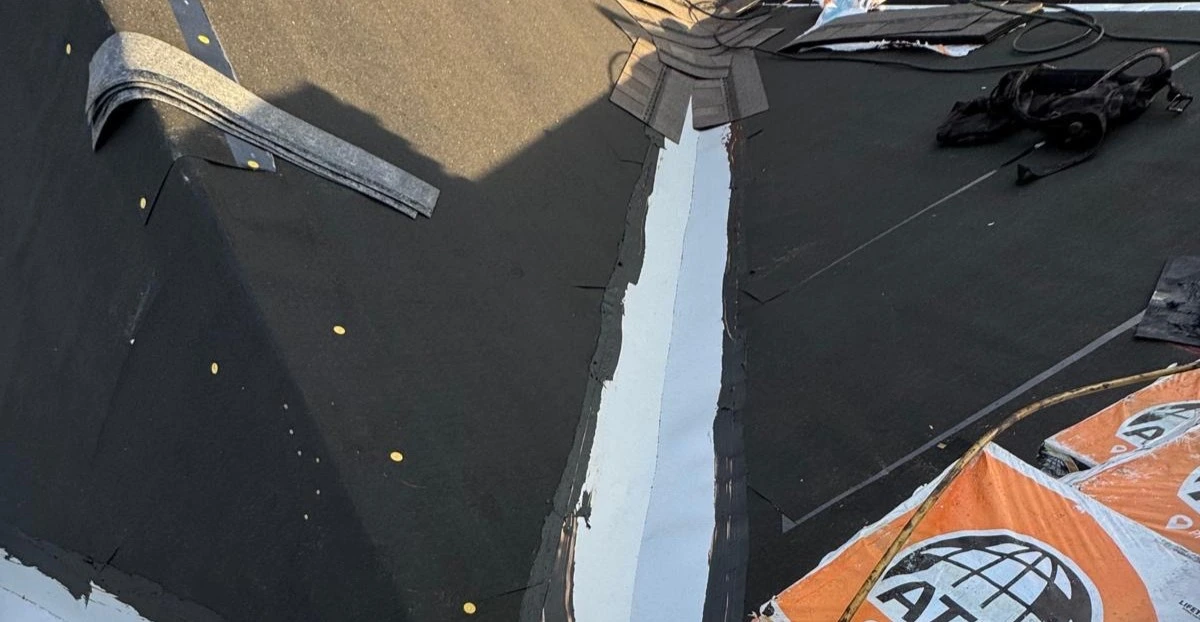
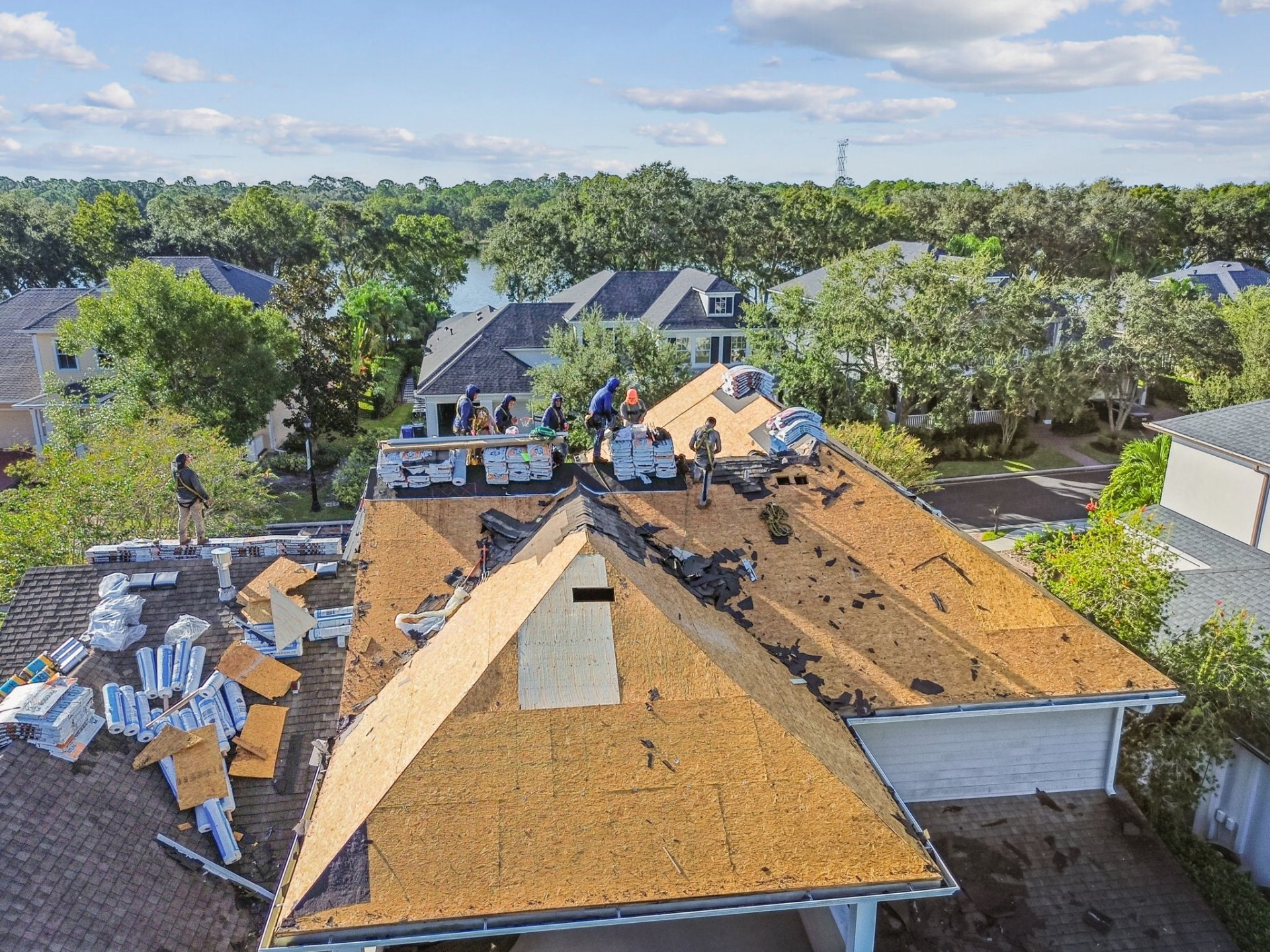
The underlayment (the layer between your roof deck and shingles/tiles) is arguably more important than the roofing material itself in Florida. Self-adhering underlayment creates a sealed roof deck that keeps water out even if the primary roofing material is blown off during a storm. This is a critical insurance and code requirement.
Need a Roof Assessment?
Talk to a licensed Tampa Bay contractor — no obligation, no pressure.
Asphalt Shingles
Asphalt shingles are the most common residential roofing material in Tampa Bay and across Florida. They offer the best balance of performance, aesthetics, and cost for most homeowners.
3-Tab Shingles
The basic, flat-profile shingle. Three-tab shingles are thinner, lighter, and less expensive than architectural shingles. They typically carry wind ratings of 60 to 90 mph, which does not meet Florida Building Code requirements in most Tampa Bay locations. We rarely install 3-tab shingles today because they do not meet current wind code requirements and offer inferior storm performance.
Architectural (Dimensional) Shingles
The standard for modern Florida roofing. Architectural shingles are thicker, heavier, and more durable than 3-tab. They feature a layered, dimensional appearance that mimics natural materials. Most quality architectural shingles carry wind ratings of 110 to 130 mph, with premium options reaching 150+ mph.
Pros:
- Best value for most budgets
- Wide range of colors and styles
- 25 to 50 year manufacturer warranties
- Wind ratings up to 130+ mph (premium products reach 150 mph)
- Fast installation (lower labor costs)
- Easy to repair if damaged
Cons:
- Shorter lifespan (about 15 to 20 years) than metal or tile, which have 30 to 50 years in Florida
- UV degradation is faster in Florida's intense sun
- Can lose granules over time, reducing reflectivity
- Susceptible to algae growth in humid environments
Cost range (installed): $5 to $7 per square foot. A typical Tampa home (2,000 sq ft roof) runs $10,000 to $14,000.
Metal Roofing
Metal roofing is the premium choice for Florida homeowners who want maximum durability, longevity, and storm protection. It has gained significant popularity in Tampa Bay over the past decade.
Standing Seam Metal Roofing
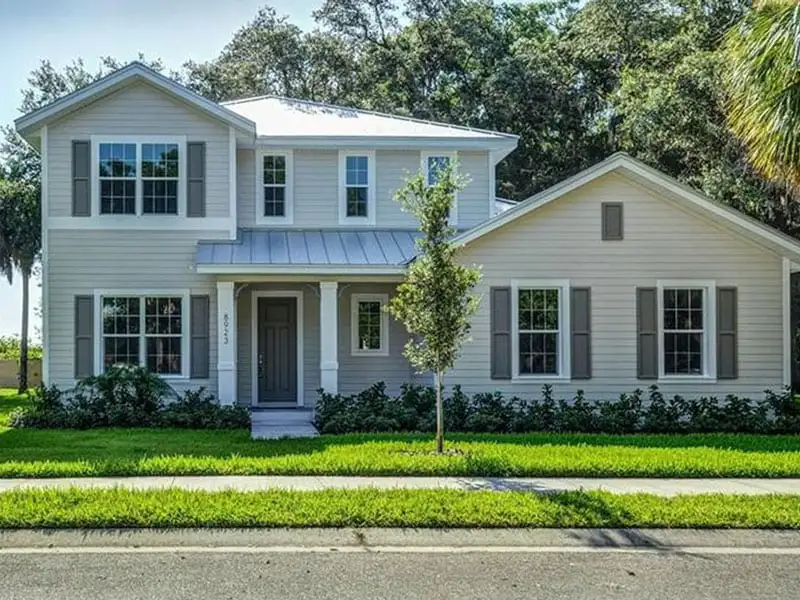
The gold standard for metal roofing. Standing seam panels interlock with raised seams, creating a continuous, watertight surface with no exposed fasteners. Panels expand and contract freely with temperature changes without compromising the seal. Wind ratings commonly exceed 150 mph.
Screw-Down (Exposed Fastener) Metal Roofing
A more affordable alternative to standing seam. Panels are attached with screws that penetrate the panel surface. While less expensive, exposed fasteners can loosen over time due to thermal cycling and may require re-tightening. Not recommended for primary residences in high-wind zones but acceptable for lower-risk structures.
Pros:
- 40 to 70+ year lifespan
- Wind ratings up to 160+ mph
- Reflects solar heat, reducing cooling costs by 10 to 25%
- Non-combustible (Class A fire rating)
- Lightweight compared to tile
- Resistant to mold, mildew, and insects
- Recyclable at end of life
Cons:
- Higher upfront cost (2 to 3x asphalt shingles)
- Can dent from large hail or heavy debris impact
- Expansion/contraction noise (minimized with proper installation)
- Specialized installation required
- Some HOAs restrict metal roofing appearance
Corrosion Resistance
Modern metal roofing uses galvanized steel or aluminum with factory-applied coatings (Kynar/PVDF) that resist corrosion for 40+ years. Aluminum is naturally corrosion-resistant and is the better choice for coastal homes where salt air exposure is constant. Galvalume steel offers an excellent balance of cost and corrosion resistance for inland Tampa Bay locations.
Cost range (installed): Standing seam: $8 to $16 per square foot. Screw-down: $5 to $10 per square foot. A typical Tampa home runs $15,000 to $35,000+ for standing seam.
Interested in Metal Roofing?
Talk to a licensed Tampa Bay contractor — no obligation, no pressure.
Tile Roofing
Tile roofing has a long history in Florida, offering a distinctive Mediterranean, Spanish, or modern aesthetic. Both concrete and clay tiles are used extensively in the Tampa Bay market.
Concrete Tile
The more affordable tile option. Concrete tiles are manufactured in flat, barrel (S-tile), and low-profile designs. They are heavy, durable, and offer excellent wind resistance when properly attached. Concrete tiles can last 50+ years but may fade and require recoating over time.
Clay Tile
The premium tile option. Clay tiles retain their color permanently (the color is integral, not a coating), resist mold better than concrete, and can last 75 to 100+ years. They cost more than concrete but offer superior long-term aesthetics and longevity.
Pros:
- 50 to 100+ year lifespan (material)
- Excellent wind resistance when properly attached
- Non-combustible (Class A fire rating)
- Distinctive, premium curb appeal
- Good thermal performance (air gap between tile and deck)
Cons:
- Very heavy (900 to 1,200 lbs per square). Structure must support the weight.
- Highest upfront cost of common materials
- Fragile when walked on (maintenance access is challenging)
- Individual tiles can break from debris impact
- Underlayment beneath tiles typically lasts 20 to 30 years and must be replaced, which requires removing and re-installing all tiles
Weight Considerations
Tile is significantly heavier than shingles or metal. Not all roof structures can support tile without reinforcement. If your home currently has shingles and you want to switch to tile, a structural engineer assessment is typically required. This adds cost but ensures safety and code compliance.
Cost range (installed): Concrete tile: $8 to $14 per square foot. Clay tile: $12 to $25+ per square foot. A typical Tampa home runs $20,000 to $50,000+.
Flat and Low-Slope Roofing
Flat and low-slope roofs are common on commercial buildings, modern homes, and attached structures like carports and screen enclosures throughout Tampa Bay. These roofs require specialized materials and drainage planning.
Modified Bitumen
The most common flat roof material in Tampa Bay residential applications. Modified bitumen is a multi-layer system using rolls of asphalt-based material with polymer modifiers for flexibility and durability. It is torch-applied, self-adhered, or mechanically fastened. Properly installed modified bitumen roofing lasts 15 to 25 years.
TPO (Thermoplastic Polyolefin)
A single-ply membrane system increasingly popular for flat roofs. TPO is white, highly reflective, and excellent for energy efficiency. Seams are heat-welded, creating a watertight bond stronger than the membrane itself. TPO is lightweight, resistant to UV, and lasts 20 to 30 years with minimal maintenance.
Drainage Considerations
Flat roofs in Florida must be designed with positive drainage. Standing water (ponding) is the enemy of every flat roof system. Proper slope, scuppers, internal drains, or tapered insulation systems ensure water moves off the roof within 48 hours. Inadequate drainage is the number one cause of flat roof failure in Tampa Bay.
| Material | Wind Rating | Lifespan | Avg Cost (per sq ft) | Best For |
|---|---|---|---|---|
| 3-Tab Shingles | 60-90 mph | 10-15 years | $3-$5 | Not recommended for Tampa Bay |
| Architectural Shingles | 110-130+ mph | 15-20 years | $5-$7 | Most residential homes |
| Standing Seam Metal | 150-160+ mph | 40-70+ years | $8-$16 | Long-term investment, premium homes |
| Screw-Down Metal | 110-140 mph | 25-40 years | $5-$10 | Budget metal option, secondary structures |
| Concrete Tile | 150+ mph | 50+ years | $8-$14 | Mediterranean/Spanish aesthetic |
| Clay Tile | 150+ mph | 75-100+ years | $12-$25+ | Premium homes, maximum longevity |
| Modified Bitumen | Varies | 15-25 years | $4-$8 | Flat/low-slope residential |
| TPO | Varies | 20-30 years | $5-$10 | Energy-efficient flat roofs |
Which Roofing Material Is Right for You?
Talk to a licensed Tampa Bay contractor — no obligation, no pressure.
Which Roofing Material Is Best for You?
There is no single "best" roofing material. The right choice depends on your specific situation:
Material is only one part of the project scope. Roof size, geometry, access, tear-off, underlayment, flashing, ventilation, permits, and deck condition also affect a proposal. See the WCS replacement pricing guide for that planning context.
By Budget
- Economy: Architectural asphalt shingles. Best value, meets code, 25+ year warranty.
- Mid-range: Premium asphalt shingles or screw-down metal. Better wind ratings, longer warranties.
- Premium: Standing seam metal or tile. Maximum longevity and storm protection.
By Longevity Goals
- 5 to 10 years (selling soon): Quality architectural shingles provide the best ROI for resale.
- 15 to 25 years: Architectural shingles or screw-down metal.
- 25+ years (forever home): Standing seam metal or tile. Pay more now, avoid replacement later.
By Insurance Concerns
If insurance cost is a major factor, prioritize a sealed roof deck (self-adhering underlayment), high wind-rated materials, and proper hurricane strap connections. These three factors have the biggest impact on your wind mitigation inspection and insurance premium.
By HOA Restrictions
Many Tampa Bay HOAs restrict roofing material choices, particularly metal roofing profiles and colors. Before selecting a material, check your HOA guidelines. Architectural shingles and tile are generally approved in all communities. Standing seam metal is gaining acceptance but some HOAs still restrict it.
What We Recommend for Homes in Tampa
After years of installing every major roofing material across Tampa Bay, here is what we recommend based on the most common homeowner situations:
- Most Tampa homes (best value): GAF Timberline HDZ or Atlas Pinnacle architectural shingles with full peel-and-stick underlayment. These meet FBC wind requirements, carry strong warranties, and deliver the best return for the cost.
- Coastal Tampa Bay (Clearwater, St. Pete, Safety Harbor): Standing seam metal with Kynar/PVDF finish for maximum corrosion resistance and 40+ year life expectancy, or architectural shingles if HOA restrictions apply.
- Forever homes: Standing seam metal roofing. The higher upfront cost is offset by a 50+ year lifespan and near-zero maintenance. It also delivers the best energy performance in Tampa's intense heat.
- Selling within 5 years: Quality architectural shingles provide the best ROI at resale. Most Tampa Bay buyers recognize new shingles and respond positively to a recent roof replacement in Tampa.
- Maximum insurance savings: Any FBC-compliant material with sealed deck, hip configuration, and hurricane straps. Pair with impact windows and new siding in Tampa for a complete exterior upgrade.
Get Expert Help for Your Tampa Home
If you're unsure what option is right for your home, our team can help you evaluate your roof, windows, or siding. We provide honest assessments with no obligation and no pressure.
Your Roof Protects Everything Beneath It
Choosing the right roofing material is one of the most important decisions you will make as a Florida homeowner. It affects your safety, your insurance costs, your energy bills, and your home's value for decades to come.
At Weathershield Construction, we install the roofing materials discussed throughout this guide. Tampa homeowners ready to compare a project-specific scope can review our Tampa roofing contractor services. For more educational material, visit the roofing resource center.
Serving Tampa, Carrollwood, Clearwater, and all of Tampa Bay.