Tampa Hurricane Season Prep: Protecting Your Roof, Windows and Siding
A pre-season preparation guide for Tampa Bay homeowners covering roof inspection, impact window upgrades, siding vulnerabilities, and emergency tarping limits.
Atlantic hurricane season runs June 1 through November 30, and for Tampa Bay the highest probability window is mid-August through mid-October. The homes that come through a major storm with the least damage are the ones whose owners spent April and May on preparation, not the ones who wait for a cone forecast to act.
When Tampa Hurricane Season Peaks
Cape Verde-type hurricanes typically reach the Gulf in late August and September. Late-season storms in October are often more dangerous for the west coast of Florida because steering currents push systems north into Tampa Bay. Plan your inspections, repairs, and material orders to be complete by July 1.
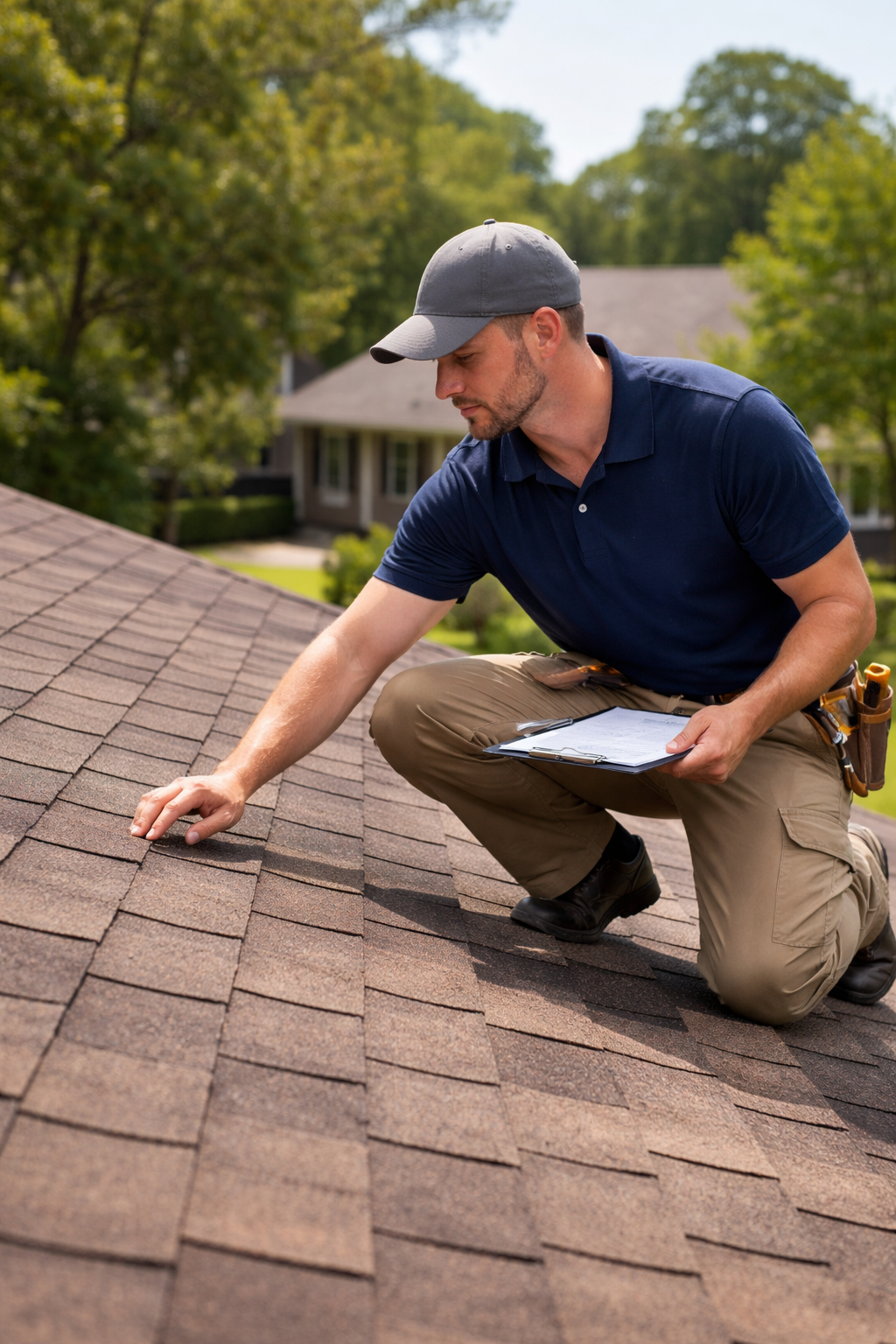
Roof Inspection Checklist Before Hurricane Season
A pre-season roof inspection should include:
- Shingle seal integrity and any lifted tabs
- Flashing condition at chimneys, walls, and skylights
- Drip edge on all eaves and rakes (Florida Building Code requirement)
- Soffit and fascia for prior wind damage or rot
- Roof-to-wall connections visible from the attic
- Sealant condition at all penetrations
- Underlayment exposure or tearing at any field repairs
If your roof is more than 12 years old or shows multiple issues, get a written replacement estimate now. Material lead times tighten in late summer. Read our roof replacement guide for cost benchmarks.
Impact Windows: The Single Biggest Mitigation
Impact-rated windows do three things at once during a hurricane: they prevent debris penetration that would pressurize the home and lift the roof, they reduce insurance premiums (often 10 to 30 percent on the wind portion of the policy), and they qualify for state and county incentive programs in many cases. If your home still has standard glass and you live in a coastal Tampa Bay zone, this is the highest-ROI hurricane upgrade you can make. Learn more on our Tampa impact windows page.
Siding Vulnerabilities in High Winds
Vinyl siding installed before 2010 is rated for far lower wind speeds than modern fiber cement. Loose courses, missing J-channel, and poor attic ventilation behind the wall sheathing are all failure points. Hardie fiber cement and engineered wood (LP SmartSide) hold up significantly better in 100 to 150 mph wind environments and should be the default for any siding replacement in Tampa Bay.
For a deeper comparison, see our siding comparison guide.
Emergency Tarping: What It Does and Does Not Protect
An emergency tarp keeps water out for 30 to 90 days. It does not prevent further wind damage in a follow-on storm, and it does not satisfy your mitigation duty if the underlying repair is delayed indefinitely. Use tarps as a bridge to a permanent repair, not as a substitute.
Other Pre-Season Tasks
- Trim trees within 10 feet of the roofline
- Clean gutters and downspouts
- Photograph every elevation of the home (date-stamped)
- Save your declarations page and policy PDF to cloud storage
- Inventory garage and exterior items that need to come inside
The Bottom Line
The cheapest hurricane mitigation is the inspection and small repair you do in May. The most expensive is the emergency tarp call after a storm. For a full storm response plan, see our storm damage restoration page.
Frequently Asked Questions
Explore Our Services, Guides & Tampa Bay Locations
We provide roofing, impact windows, siding, and storm restoration throughout Tampa Bay. Explore our services, homeowner guides, and local service areas below.
Exterior Services
Licensed exterior solutions built for Florida's climate and building codes.
Homeowner Guides
In-depth resources on materials, costs, and insurance for Florida homeowners.
Tampa Bay Service Areas
Serving homeowners across Hillsborough and Pinellas counties.