
How to File a Storm Damage Insurance Claim in Florida
A practical, plain-English guide for Tampa Bay homeowners on how to file a storm damage insurance claim in Florida and avoid the most common reasons claims are reduced or denied.
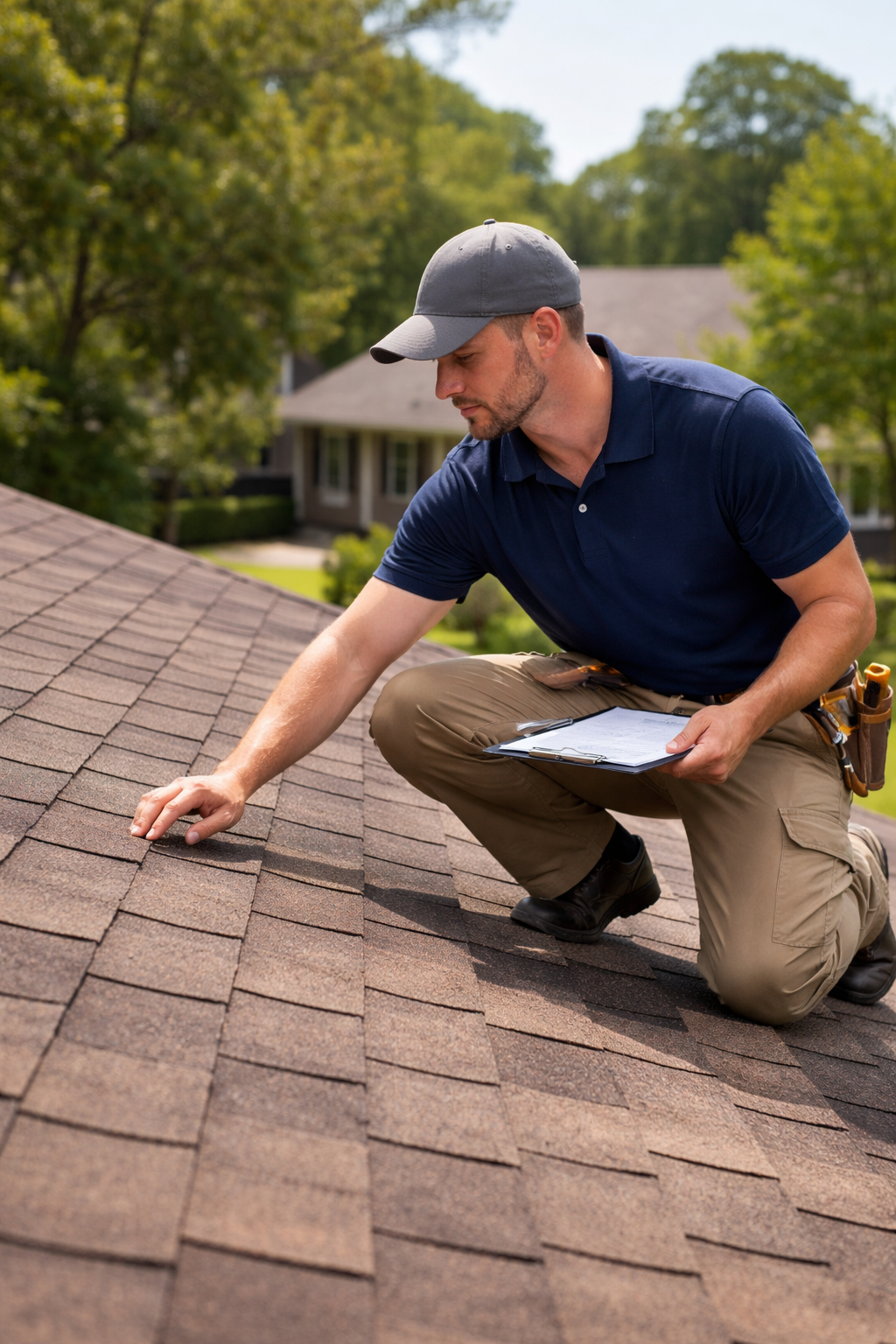
Filing a storm damage insurance claim in Florida is no longer a simple paperwork exercise. Carriers have tightened underwriting, deductibles have grown, and adjusters are under pressure to minimize payouts. The homeowners who recover the most from a claim are the ones who understand their policy before the storm, document carefully after the storm, and bring a licensed local contractor to the table early.
What a Florida Homeowners Policy Typically Covers
Most HO-3 and HO-5 policies in Florida cover sudden, accidental damage from named perils such as wind, hail, and falling objects. Roof, siding, soffit, fascia, gutters, windows, screens, and interior water damage caused by a covered exterior breach are usually within scope. What is rarely covered: long-term wear, pre-existing damage, flooding from rising water (that requires a separate NFIP or private flood policy), and cosmetic-only matching issues unless your policy includes a matching endorsement.
Pull your declarations page now. Confirm three numbers: dwelling coverage limit, all-other-perils deductible, and hurricane deductible (a percentage that only applies when the National Hurricane Center declares a named hurricane affecting your county).
Step-by-Step Claim Filing Process
1. Document before you touch anything
Take time-stamped photos and video of every elevation, every damaged area, and the interior. Keep originals in cloud storage. If shingles or debris are in the yard, photograph them in place before you clean up.
2. Mitigate further damage
Florida law requires reasonable mitigation. Tarp exposed roof areas, board broken windows, and remove saturated drywall before mold sets in. Save every receipt, including hardware store runs.
3. Notify your carrier within 24 to 72 hours
Call the claim line or use the carrier app. Get a claim number, the representative name, and a written confirmation. Avoid giving a recorded statement before you understand the scope.
4. Get a licensed contractor inspection in writing
An independent inspection from a Florida-licensed roofing or general contractor establishes the real scope of damage in writing. Bring it to the adjuster meeting.
5. Meet the field adjuster on site
Be present for the inspection. Walk every elevation with the adjuster. Provide your photos, your contractor report, and your mitigation receipts.
6. Review the loss estimate carefully
Carrier estimates often miss code-required items, secondary water barrier, drip edge, and proper underlayment. Compare line by line against your contractor report and request supplements where needed.
What Adjusters Actually Look For
Field adjusters work from a checklist. They are looking for evidence the damage was caused by a single covered event on a specific date, not gradual wear. Clear directional wind patterns, fresh granule loss, lifted shingle tabs, broken seal strips, and impact marks on soft metals (gutters, vents, AC fins) all support a wind or hail claim. Faded shingles, curled tabs, exposed nail heads, and prior repairs work against you.
How a Local Contractor Strengthens Your Claim
A licensed local contractor knows the Florida Building Code requirements that the carrier estimate often omits, can write a scope that includes secondary water barrier, proper deck attachment, code upgrades, and drip edge, and can stand behind the report when the carrier pushes back. Local matters because storm chasers leave the state once the claim closes, and you are left holding a one-year workmanship warranty from a company you cannot reach.
Learn more about the full storm restoration process on our Tampa storm damage restoration page, and read related coverage in our storm damage resources hub.
Common Reasons Florida Claims Are Denied or Reduced
- Late notice (filing weeks after the event)
- No documentation of the damage at the time of loss
- Roof beyond useful life and rated as wear and tear
- Pre-existing damage visible in prior 4-point inspection reports
- Signing an Assignment of Benefits with a contractor who cannot defend the scope
- Failing to mitigate, leading to expanded interior damage the carrier excludes
Tampa Bay Specifics
Hillsborough, Pinellas, Pasco, and Manatee counties all use the Florida Building Code 7th Edition. Roof replacement in this region requires a sealed roof deck, drip edge on all eaves and rakes, and corrosion-resistant fasteners. If your carrier estimate does not include these items, a supplement is almost always justified. Hurricane deductibles only apply when a named hurricane has been declared for your county; tropical storms and standard thunderstorm wind events fall under the lower all-other-perils deductible.
When to Get a Public Adjuster or Attorney
If your claim is denied, severely underpaid, or stuck in delay, a Florida-licensed public adjuster or property insurance attorney can help. They typically work on contingency. Avoid signing anything in the first 14 days unless you have read it carefully or had it reviewed.
The Bottom Line
The strongest storm damage claims in Florida share three traits: fast notice, thorough documentation, and a credible local contractor scope on file. Get those three right and the rest of the process becomes manageable.
Frequently Asked Questions
Explore Our Services, Guides & Tampa Bay Locations
We provide roofing, impact windows, siding, and storm restoration throughout Tampa Bay. Explore our services, homeowner guides, and local service areas below.
Exterior Services
Licensed exterior solutions built for Florida's climate and building codes.
Homeowner Guides
In-depth resources on materials, costs, and insurance for Florida homeowners.
Tampa Bay Service Areas
Serving homeowners across Hillsborough and Pinellas counties.