International Builders' Show Orlando Recap: What Florida Homeowners Should Know
We attended the International Builders' Show in Orlando. Learn about the latest trends in roofing, windows, siding, and construction materials impacting Florida homes.
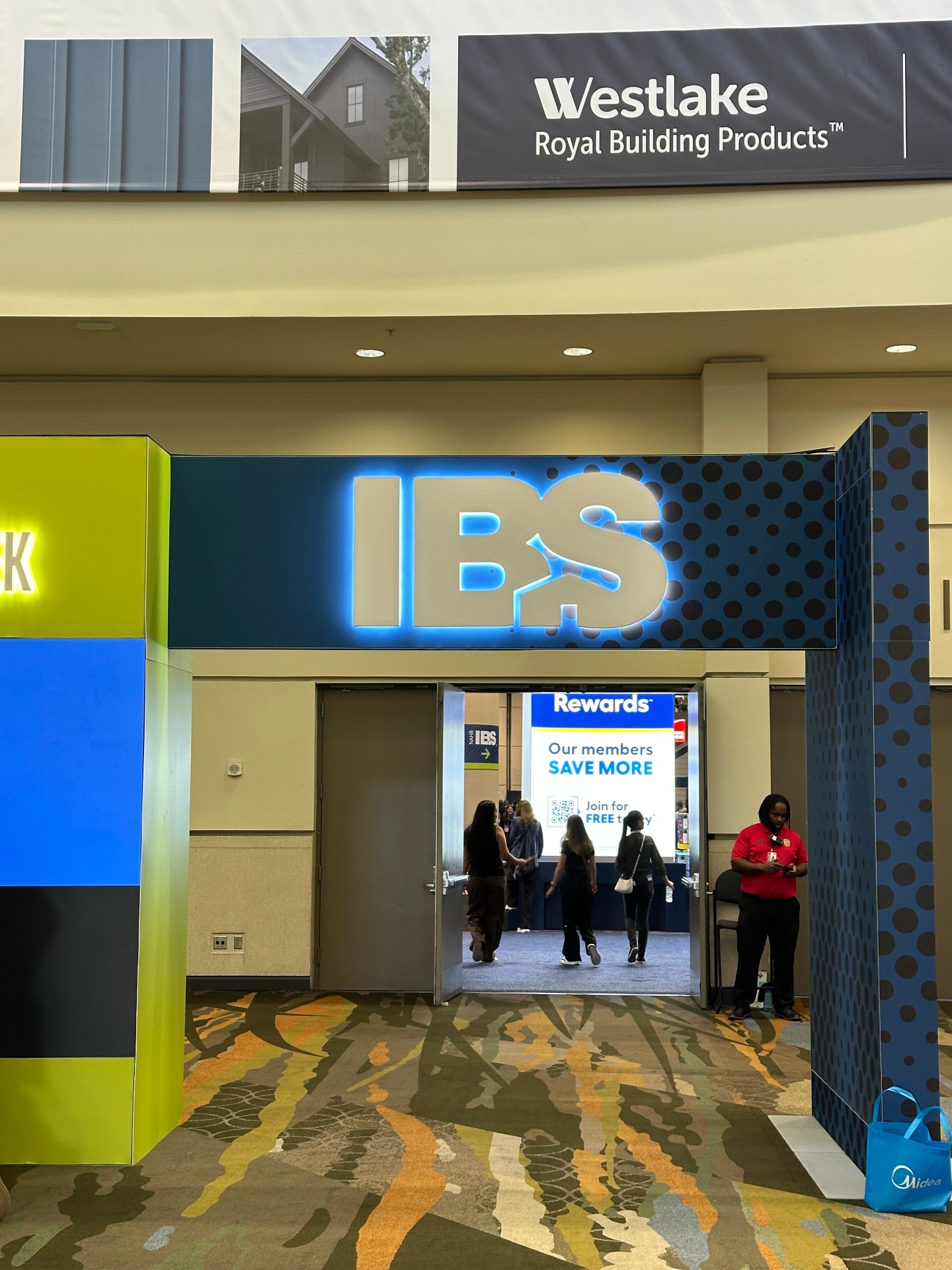
Earlier this year, our team traveled to Orlando for the International Builders' Show, one of the largest construction industry events in North America. The show floor was massive, and the amount of new product launches, technology demonstrations, and building science presentations took time to fully process.
We go to events like IBS for a specific reason: to evaluate what is coming next in roofing, windows, siding, and general construction so we can bring the best options back to our customers across Tampa Bay and the surrounding Florida communities we serve.
This recap covers the key takeaways that matter most for homeowners in our area.
Why IBS Matters for Homeowners
Most homeowners will never attend a construction trade show, and that is perfectly fine. But the products, materials, and techniques showcased at IBS eventually end up on the homes we work on every day.
Manufacturers use events like this to introduce new product lines, demonstrate updated installation methods, and share performance data from testing and field applications. Not every new product turns into a long-term winner, but many of the innovations we see at IBS become standard practice within a few years.
Homeowners benefit when their contractor understands what is available, what performs well in Florida's climate, and what is worth considering for an upcoming project. That is why we attend.
Large Sliding and Pivot Door Systems
One of the most visible trends at IBS was the continued growth of oversized sliding and pivot door systems. Several manufacturers displayed door openings ranging from 10 feet to over 12 feet tall, designed to blend indoor and outdoor living spaces.
This trend has been building for a few years, and it aligns well with how many Florida homeowners use their homes. Lanais, covered patios, and pool areas are central to daily life in Tampa Bay, and these larger openings create a more seamless connection between interior and exterior spaces.
The engineering behind these systems is impressive, but installation is where things get critical. Proper structural framing, waterproofing details, and wind-load engineering are essential, especially in Florida where hurricane-rated products are required. A poorly installed large-format door system can become a major liability during storm season.
If you are considering large-format doors or window and door upgrades for your home, proper installation planning is just as important as the product selection.
3D Printed Concrete Homes
Several exhibitors at IBS showcased 3D printed concrete construction technology. The concept is straightforward: a large robotic printer extrudes layers of concrete to build walls, significantly reducing labor requirements and construction timelines.
The technology is real, and a number of completed homes already exist in various parts of the country. For certain applications, particularly affordable housing, disaster relief, and repetitive floor plans, 3D printing offers genuine advantages in speed and cost.
For custom residential construction in Florida, the technology is still developing. Challenges include integrating with traditional roofing systems, meeting Florida's specific wind-load requirements, and accommodating the custom design elements most homeowners expect. It is worth watching, but it is not replacing traditional construction for most Tampa Bay homes anytime soon.
Measuring and Estimating Technology
The tools contractors use for measuring and estimating continue to improve. At IBS, we saw updated laser measurement systems, drone-based roof measurement platforms, and software that integrates measurement data directly into estimating and project management workflows.
For homeowners, this translates to more accurate proposals, fewer material waste issues, and better project planning. When your contractor can measure a roof digitally and generate a precise material list before the first nail is driven, the result is a tighter estimate and fewer change orders during the project.
We have been incorporating improved measurement technology into our process for several years, and events like IBS help us stay current on what is available.
Planning a Roofing, Window, or Siding Project?
Get a Free EstimatePrinted Glass Applications
An emerging category at IBS was printed glass, where custom designs, patterns, or images are printed directly onto glass panels. Applications include shower enclosures, backsplash panels, feature walls, and decorative partitions.
For residential renovations, this opens up design possibilities that were previously limited to tile, stone, or paint. Companies like Architectural Decorative Glass are pushing the boundaries of what glass can do in a home setting.
While this is more of a design and renovation trend than a structural one, it caught our attention because of how it can elevate the look of kitchens, bathrooms, and living areas during a renovation project.
Atlas Pinnacle Sun Shingles
We want to be clear about this one: Atlas Pinnacle Sun shingles are not solar shingles. They do not generate electricity.
What they do is reflect solar energy. The shingle uses Scotchgard Protector granules combined with specially engineered cool-roof granules that reflect a significant portion of solar heat away from your roof. In testing, this can reduce attic temperatures and improve energy efficiency by up to 15 percent.
For Florida homeowners, this is a meaningful benefit. In the summer months, roofs in the Tampa Bay area can reach surface temperatures of 160 to 170 degrees. Reducing the heat that transfers into your attic means less strain on your HVAC system and lower cooling costs.
We already install Atlas Pinnacle Sun shingles on roofing projects across Tampa Bay and continue to see strong performance from this product line.
LP Building Solutions
LP had a strong presence at IBS showcasing their engineered wood products, including LP SmartSide siding and trim. Their focus this year was on moisture resistance improvements and long-term durability in humid climates.
In Florida, moisture management is one of the most critical factors in exterior material selection. Wood rot, swelling, and paint failure are common problems with traditional wood siding. LP's engineered products are designed to resist these issues through treated wood strands and protective coatings.
For homeowners considering a siding replacement, LP SmartSide remains a competitive option, particularly when budget, workability, and moisture resistance are key priorities.
James Hardie Fiber Cement Siding
James Hardie continues to lead the fiber cement siding category, and their IBS presence reflected that. The product line offers strong durability, design flexibility, and resistance to the moisture, UV, and pest challenges that Florida homes face daily.
What stood out at IBS was the expanding range of color options and profile styles, giving homeowners more choices when it comes to curb appeal without sacrificing long-term performance.
Hardie siding performs exceptionally well in Florida when installed correctly. That last part is important. Fiber cement is a dense, heavy material that requires proper fastening, flashing, and moisture management behind the panels. Installation quality has a direct impact on how the product performs over 20 to 30 years.
Our siding installation process follows James Hardie's best practice guidelines, which helps ensure long-term performance and protects your manufacturer warranty.
What This Means for Florida Homeowners
Not every product or trend at IBS applies directly to your next project. Some innovations are years away from widespread adoption. Others are designed for climates and building conditions very different from what we deal with in Florida.
Our job is to filter through everything we see and identify the products, techniques, and materials that actually improve outcomes for the homes we work on. That means evaluating each product against Florida's specific demands: hurricane resistance, moisture management, UV exposure, and long-term durability in a subtropical climate.
Smart material choices combined with proper installation practices will always matter more than chasing the newest trend. That is the approach we take on every project.
Ready to Start Your Project?
Request a Free EstimateWe Stay Current So You Benefit
Attending events like the International Builders' Show is part of how we stay sharp. It keeps us connected to the manufacturers behind the products we install, gives us early access to new materials and technologies, and helps us bring better recommendations to the homeowners we serve across Tampa, Clearwater, St. Petersburg, and the surrounding communities.
If you have questions about any of the products or trends covered in this article, or if you are planning a roofing, window, or siding project in 2026, we are happy to discuss what options make the most sense for your home.
Explore Our Services, Guides & Tampa Bay Locations
We provide roofing, impact windows, siding, and storm restoration throughout Tampa Bay. Explore our services, homeowner guides, and local service areas below.
Exterior Services
Licensed exterior solutions built for Florida's climate and building codes.
Homeowner Guides
In-depth resources on materials, costs, and insurance for Florida homeowners.
Tampa Bay Service Areas
Serving homeowners across Hillsborough and Pinellas counties.